
A gift with purchase is one of those marketing moves that looks simple on a slide and gets complicated the second it meets real life.
On paper, it’s generous. In practice, it can become the brand equivalent of showing up to a dinner party with a lukewarm bottle of something you found in the back of the cabinet. Technically a gift. Emotionally… confusing.
Because customers aren’t judging the gift in isolation. They’re judging what the gift suggests about you.
- If it feels flimsy, they assume your product corners were cut too.
- If it feels random, they assume your brand is random.
- If it feels thoughtful, they assume you’re thoughtful—everywhere.
And in a world where someone can switch brands with two thumb taps and a mild grudge, that assumption is worth real money.
This article is a playbook for doing it properly: international-brand tone, lived-in stories, clean structure, and practical guidance. Not “more stuff,” but better moments—the kind people remember, keep, and quietly tell friends about.
The “bag test”: where gift with purchase wins or loses (a story)
It’s Friday evening. A customer—let’s call him Daniel—walks into a store to buy a gift for his sister. He’s late, slightly stressed, and pretending he’s not.
He picks something premium. The kind of purchase that makes you stand a little straighter at the register. The associate wraps it beautifully, hands it over, and then says: “We’re including a small gift with purchase today.”
Daniel’s brain does the math instantly: free thing = probably cheap thing.
Then he feels the weight.
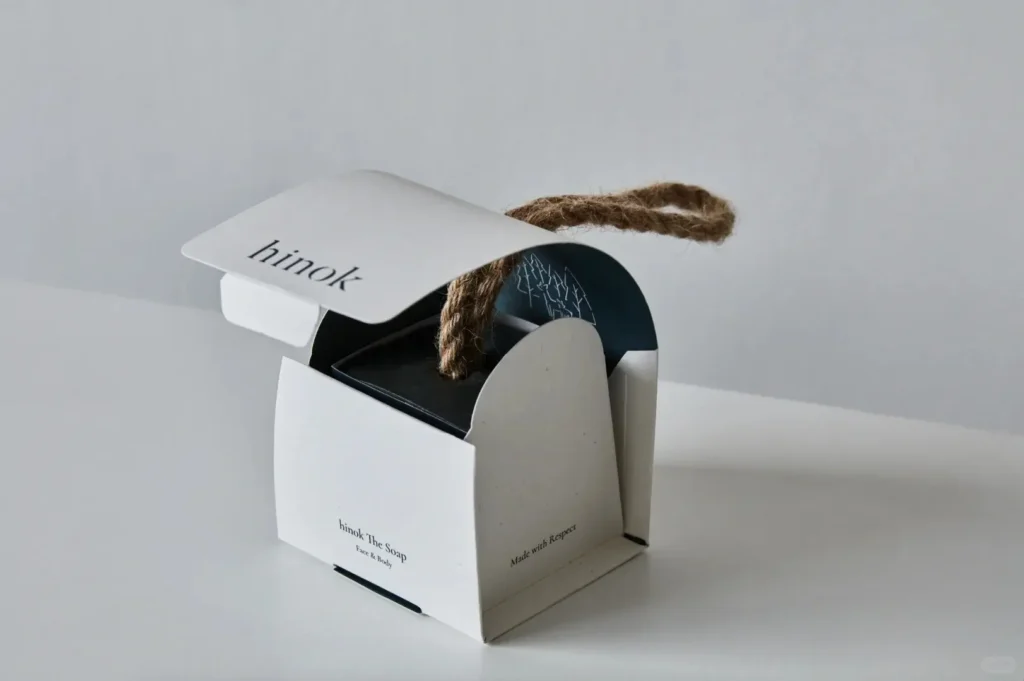
Not heavy, just… substantial. A slim branded box, textured paper, a clean pull-tab. No loud logo. The kind of packaging that says: We’ve done this before.
At home, he opens it. Inside is a small object that’s actually useful—elegant, simple, designed to live on a desk or in a bag. Not a “novelty.” Not a “promo.” Something you’d buy for yourself on a good day.
He doesn’t say it out loud, but he thinks it:
Okay. This brand has manners.
That’s the bag test: when the gift travels home with the customer, it either upgrades the entire purchase—or quietly undermines it.
Why gift-with-purchase is still one of the smartest levers (when done with taste)
Discounts spike sales, but they also teach customers to wait. Loyalty points are fine, but they’re abstract. Ads can reach people, but they rarely feel like a gesture.
A gift-with-purchase is different because it’s tangible and immediate. It changes how the transaction feels.
The three psychological wins (without sounding like psychology)
- It reduces buyer’s remorse
That little extra acts like a cushion: “Even if this was a splurge, I got something more.” - It increases perceived craftsmanship
A well-made gift signals standards. People generalize that standard to your core products. - It creates repeat exposure
If the gift is used weekly, your brand becomes part of someone’s routine—without chasing them.
But here’s the catch: all of this only works if the gift feels intentional. If it smells like leftover inventory, the effect flips.
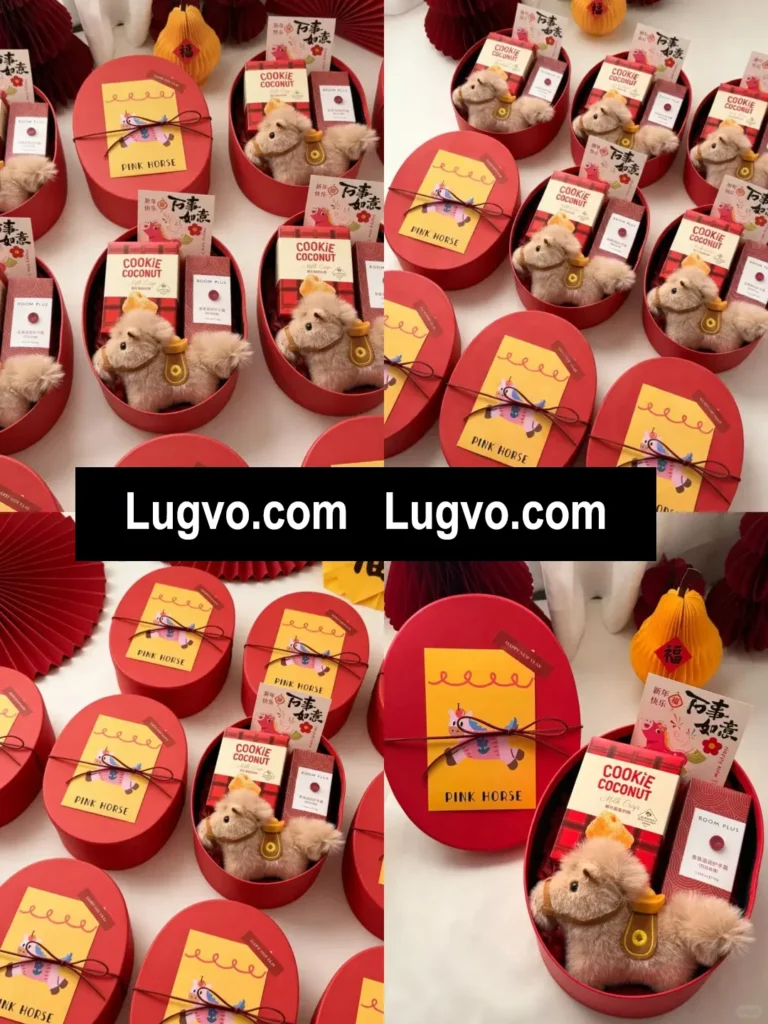
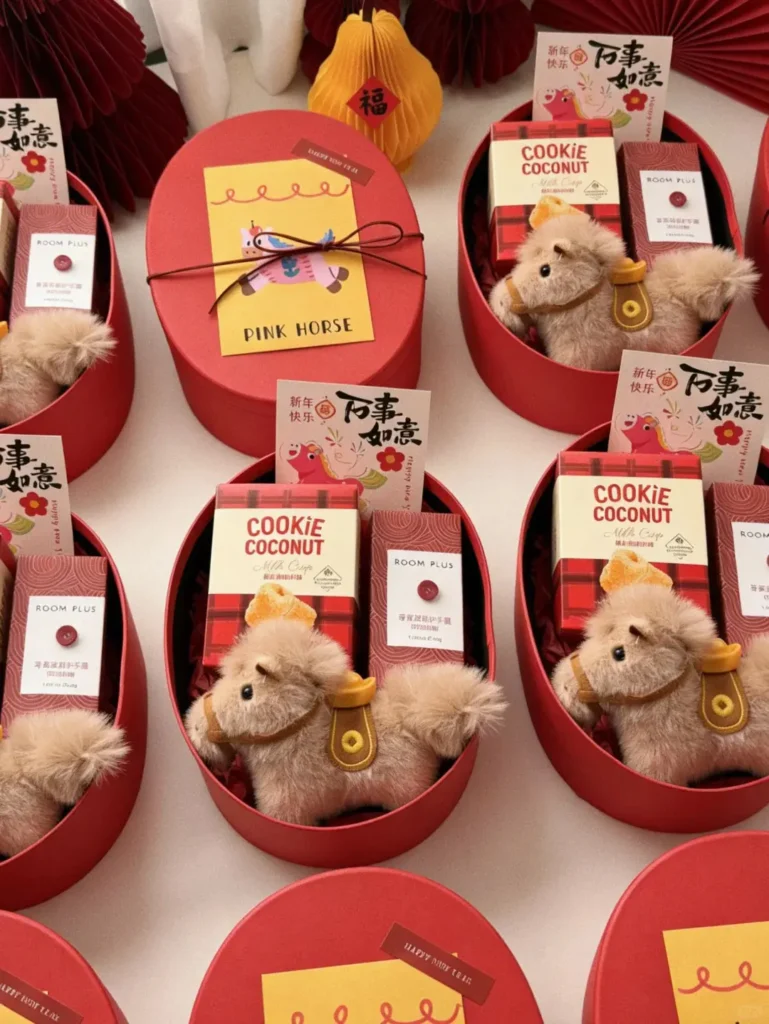
Gift with purchase ideas that feel curated, not tacked-on
The best gift with purchase ideas don’t begin with “What can we give away cheaply?” They begin with, “What’s the smallest object that can carry our brand story into someone’s life?”
Start with a scene, not a SKU
Before you pick an item, pick the moment it belongs in. Try writing one sentence:
- “This gift will be used during the morning routine.”
- “This gift will live in a laptop bag.”
- “This gift will show up at dinner parties.”
- “This gift will make travel less annoying.”
If you can’t imagine the scene, you’re selecting “stuff,” not designing an experience.
The five “fits” that separate premium from random
Great gift with purchase ideas usually nail at least three of these:
- Lifestyle fit — it belongs in the customer’s actual life
- Brand fit — design language, materials, colors, tone
- Product fit — it complements what they bought (same universe)
- Channel fit — e-commerce shipping, retail display, event handout
- Seasonal fit — aligns with the emotional mood of the campaign
If you miss brand fit, people feel dissonance. If you miss lifestyle fit, it becomes clutter. If you miss channel fit, it arrives broken and your “gift” becomes a support ticket.
A story about the “wrong” gift (and the lesson that saved the next campaign)
A fashion brand once ran a high-AOV promotion with a free add-on that looked good on the planning table. In photos, it seemed fine. In the real world, it arrived with creases, didn’t hold its shape, and felt like the kind of thing you accept politely and then forget.
Customer reviews didn’t mention the main product first. They mentioned the gift.
Not because people are ungrateful. Because people are pattern detectors. They connect dots like it’s their job.
The next campaign, the brand did one thing differently: they reduced the number of gift units and upgraded the construction and packaging. The gift became a small, durable object with clean branding—something that didn’t compete with the main product, but supported it.
The reviews flipped. Same customers, same price point, completely different emotional outcome.
The lesson: a gift-with-purchase doesn’t need to be big. It needs to be good enough to represent you.
The “keep it visible” principle
If your gift lives in a drawer, your campaign ends on delivery day. If your gift lives on a desk, in a kitchen, in a tote, or in a travel pouch, your campaign lasts months.
A simple test when choosing gift with purchase ideas:
- Would someone leave this out at home?
- Would someone bring this to the office?
- Would someone pack it for a trip?
If the answer is “yes,” you’re designing a long-term touchpoint, not a one-time incentive.
The quiet economics: why “less, better” usually wins
Teams often assume: “If we’re giving a gift, it should feel like a lot.”
But premium brands rarely win by quantity. They win by quality and coherence.
A single well-made item can outperform a bundle of mediocre ones because:
- it’s easier to produce consistently
- it’s easier to ship without damage
- it feels more intentional
- it’s more likely to be used repeatedly
A gift with purchase should never feel like you’re emptying a closet.
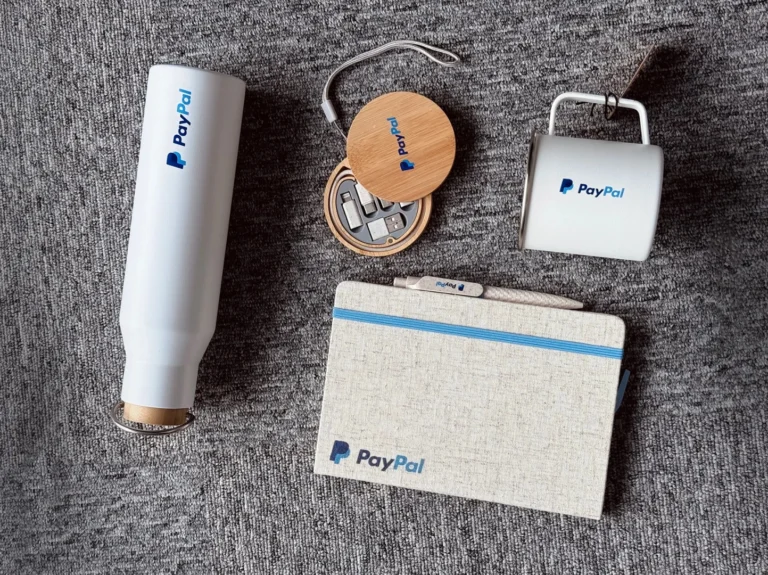
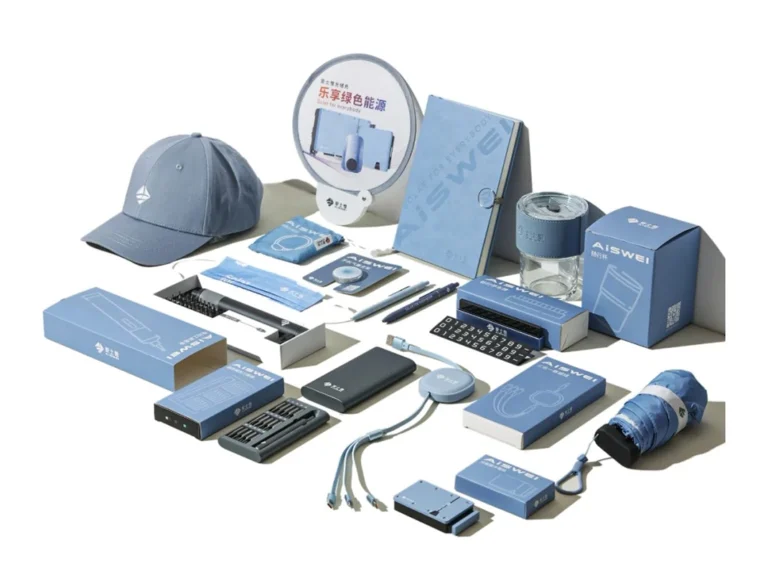
Branded promotional items that act like mini brand ambassadors
Branded promotional items get a bad reputation because we’ve all met their worst versions—items that feel disposable, with a logo applied like a stamp of desperation.
But in the hands of a brand with taste, they’re powerful. Because they do something ads can’t: they live with the customer.
A good branded promotional item is essentially a portable brand experience:
- it carries your design standards
- it shows your restraint
- it feels like it belongs in real life
Branding doesn’t need to shout to be remembered
If the logo is the first thing people notice, they may think “advertisement.” If the design is the first thing they notice, they think “object I like.” The brand can come second—and still win.
International brands tend to use one of these approaches:
- Minimal mark placement (small, precise, consistent)
- Tone-on-tone branding (subtle emboss, deboss, monochrome print)
- Pattern language (a recognizable motif rather than a huge logo)
- Color signature (your brand colors, used intelligently, not aggressively)
A branded promotional item should look like something a person would buy—not something a company had to give away.
The “public carry” test (still undefeated)
Branded promotional items become marketing when people carry them in public. The easiest way to predict that is brutally simple:
- Would you carry it to a café?
- Would you take it into a meeting?
- Would you be fine with it showing up in a photo?
If it passes, your branded item becomes a low-key ambassador. If it fails, it becomes… a storage problem.
A hotel lobby story about what “premium branded” actually feels like
A traveler checks into a hotel after a long day. The lobby is calm, the lighting is flattering, and the front desk staff somehow makes “welcome” sound believable.
In the room, there’s a small branded item on the desk—nothing fancy, just thoughtful. It’s not screaming the hotel name. It’s simply well made: good material, clean finishing, a subtle mark.
The traveler uses it the entire trip. It leaves with them. Weeks later, it’s still in their daily rotation.
That’s branded promotional done right. It’s not a gimmick. It’s hospitality you can carry.
How to design branded promotional items with international brand discipline
This is the part many campaigns skip, because it feels “too detailed.” But details are where premium lives.
Materials are your first impression
You can’t “design” your way out of cheap materials. People feel quality instantly—weight, texture, stiffness, smoothness.
When choosing materials, think in signals:
- matte vs glossy
- soft-touch vs rigid
- textured vs flat
- natural vs synthetic
The goal isn’t to spend more. The goal is to avoid the telltale signs of “throwaway.”
Finishing is where the brand earns trust
Finishing includes:
- stitching and seams
- edge paint
- print clarity
- alignment
- closure feel (snap, zip, magnet—anything tactile)
- packaging structure and fit
Two items can cost similarly but feel worlds apart because one is finished with care.
Packaging isn’t extra—it’s part of the product
A branded promotional item inside a sloppy box is like serving a great meal on a paper plate. It changes the experience.
Packaging is what:
- protects the item
- sets expectation
- creates the “gift moment”
- gives you a clean surface for story and brand tone
Even a small insert card can elevate everything—if it’s written like a human and printed like you meant it.
Copywriting matters more than most teams admit
A line of text can turn a promo item into a personal moment.
Bad: “Thank you for your support.”
Better: “A little something to make the everyday feel nicer.”
Best: one line that matches your brand voice and references the customer’s world.
People don’t need paragraphs. They need sincerity with taste.
Gift-with-purchase mechanics that don’t train customers to wait
A classic fear: “If we do gifts too often, customers will only buy during promotions.”
That can happen—if the gift becomes a crutch. The solution is structure.
Make the gift feel like a chapter, not a coupon
Instead of “Free gift this weekend,” think:
- “Launch edition gift”
- “Members-only gift”
- “Seasonal pairing gift”
- “First-purchase welcome gift”
The framing matters. It shifts the gift from “discount substitute” to “brand experience.”
Tie the gift to a meaningful threshold
Thresholds feel fair when they match value:
- premium gift for premium spend
- entry gift for first purchase
- elevated set for bundles or subscriptions
If the gift is too good at too low a threshold, you risk devaluing your main product. If it’s too weak at a high threshold, you create disappointment.
Limited runs are classy when they’re honest
“Limited” works when it’s real and communicated cleanly:
- limited quantity
- limited time
- limited edition design
Customers don’t mind missing out when it feels like a brand choice, not a supply chain accident.
The customer’s emotional timeline (and where gifts land best)
Not every gift belongs at checkout. Sometimes the best moment is after delivery, or after the second purchase, or when something goes wrong.
The five best gifting moments
- First purchase — turn curiosity into trust
- High-AOV purchase — reward commitment, reduce remorse
- Repeat purchase — signal recognition (“we remember you”)
- Seasonal rituals — align with moods, not just dates
- Service recovery — rebuild goodwill quickly
A strategic gift can do what five emails can’t.
A story about service recovery (and how a small object saved the relationship)
An e-commerce brand had a shipping delay during a peak season. Customers were frustrated. Support tickets piled up. A few started posting about it publicly.
The brand couldn’t rewind the delay. What they could do was respect the customer’s time.
They included a simple, well-made branded item with delayed orders, plus a short note that acknowledged the frustration without excuses. Not overly apologetic. Not defensive. Just human.
Customers posted about that too—because it felt rare: a brand that didn’t hide behind policy language.
A gift won’t fix everything, but it can change the emotional temperature of a situation dramatically.
The difference between “nice” and “memorable” (use this filter)
A nice gift is pleasant. A memorable gift becomes part of someone’s life.
The “three Ms” filter for gift with purchase ideas
Before you approve a gift, ask if it has at least one of these:
- Meaning — ties to the customer’s moment or your brand story
- Materiality — feels good enough to keep and use
- Minimalism — restrained, modern, non-embarrassing
If it has two, you’re in strong territory. If it has all three, people will talk about it without you asking.
Operational reality: how to scale without losing premium
Here’s the unglamorous truth: a gorgeous gift idea can collapse under production, QC, and shipping.
Premium gifting at scale depends on process.
Sample first, always
Sampling catches the things that ruin perception:
- color mismatches
- logo placement errors
- print quality issues
- packaging that looks good flat but fails in transit
- materials that feel cheaper than expected
Sampling is not a delay; it’s insurance.
Consistency is the real luxury
A premium brand doesn’t have “some units look good.” It has “every unit looks good.”
That means:
- clear specs
- controlled production
- quality checks
- reliable packaging
- shipping planning that respects deadlines
When consistency is high, customers trust you more—even if they never consciously notice why.
Don’t let logistics write your brand story
If a gift arrives crushed, scratched, or late, the customer remembers that—not your campaign concept.
Design with shipping in mind:
- protective packaging
- compact form factors
- durable finishes
- clear labeling for fulfillment teams
A gift is only a gift if it arrives like one.
A fresh set of campaign directions (without repeating the usual list)
Instead of throwing 50 random ideas at you, here are campaign directions that can be adapted across categories and still feel like international-brand work.
The “daily ritual upgrade”
Perfect for brands tied to mornings, routines, self-care, or work life.
The gift should:
- integrate effortlessly into an existing habit
- feel calm and modern
- quietly reinforce your brand values
The emotional payoff: customers feel you understand their day.
The “travel-ready companion”
Ideal for premium retail, hospitality, beauty, tech accessories, lifestyle.
The gift should:
- be easy to pack
- withstand movement
- look good in public
- solve a small travel friction point
The emotional payoff: the gift becomes a loyal companion, not a souvenir.
The “host energy” gift
Great for beverage, food, home, and celebratory categories.
The gift should:
- support sharing
- elevate a moment with friends
- feel like part of a hosting ritual
The emotional payoff: your brand becomes associated with togetherness.
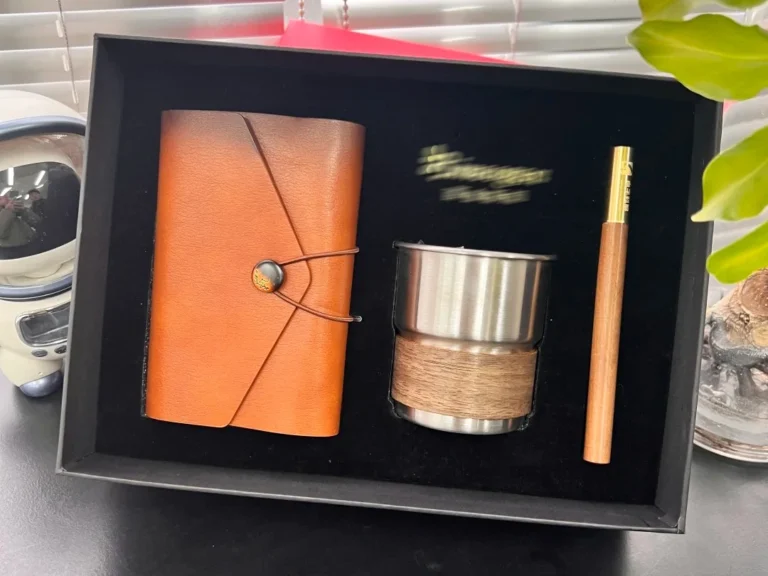
The “workday hero” branded promotional item
Perfect for B2B and consumer brands alike.
The gift should:
- live on desks and in bags
- be used weekly
- feel professional, not gimmicky
The emotional payoff: your brand becomes part of someone’s productivity identity.
The closing truth: people don’t remember promos—they remember gestures
Customers won’t recall your campaign dates. They won’t remember your banner copy. They might not even remember why they bought that week instead of next week.
But they will remember how your brand made them feel.
A well-executed gift-with-purchase says:
- “We respect your taste.”
- “We value your choice.”
- “We’re not here to be loud—we’re here to be good.”
And when your branded promotional items are designed with restraint, quality, and a real understanding of life outside the spreadsheet, they stop being “promo.” They become part of someone’s routine.
That’s the rarest kind of marketing: the kind people keep.
LUGVO
If you’re building elevated gift with purchase ideas or developing branded promotional items that need to feel premium, consistent, and globally on-brand, LUGVO supports the full journey—from concept curation and customization to sampling, quality control, packaging, and reliable delivery.
A great gift isn’t just chosen. It’s produced and finished with discipline. LUGVO helps make sure the final unboxing feels exactly like your brand meant it to feel.
 English
  Español
  Français
  العربية
  Italiano
  Deutsch
  日本語
日本語  Nederlands
  Svenska
  Norsk bokmål
  Dansk
Dansk  Suomi
Suomi  한국어
한국어  Ελληνικά
  עִבְרִית
  Română
  Türkçe
  Русский