
If you’ve ever been the person responsible for employee swag, you know the truth: the internet is full of lists, but employees don’t want “a list.” They want something that feels like it was chosen by a real person.
This guide covers Company Swag Ideas for Employees—what people actually like and use. If you’re new to Company swag, start with the basics; if you’re shopping for client gifting, use the client guide.
What kind of swag do employees like?
Employees usually like swag that checks four boxes:
- Useful in real life
Desk, commute, home office, travel—something that fits a weekly routine. - Comfortable or convenient
If it makes a day easier (charging, organizing, staying hydrated), it wins. - Not embarrassing
Employees don’t want to wear a huge logo across their chest. They also don’t want odd items that feel like leftover promo stock. - Worth keeping
This is mostly quality: fabric, zipper, coating, print durability, and how the item feels in hand.
One more thing people don’t say out loud: employees like swag that feels fair. If the item looks cheap, it can read like, “This is what the company thinks of us.” That’s why a small set of good items beats a stuffed box of filler.
If you’re deciding between safe staples and standout “moment” items, see our popular vs. unique swag buyer’s guide.
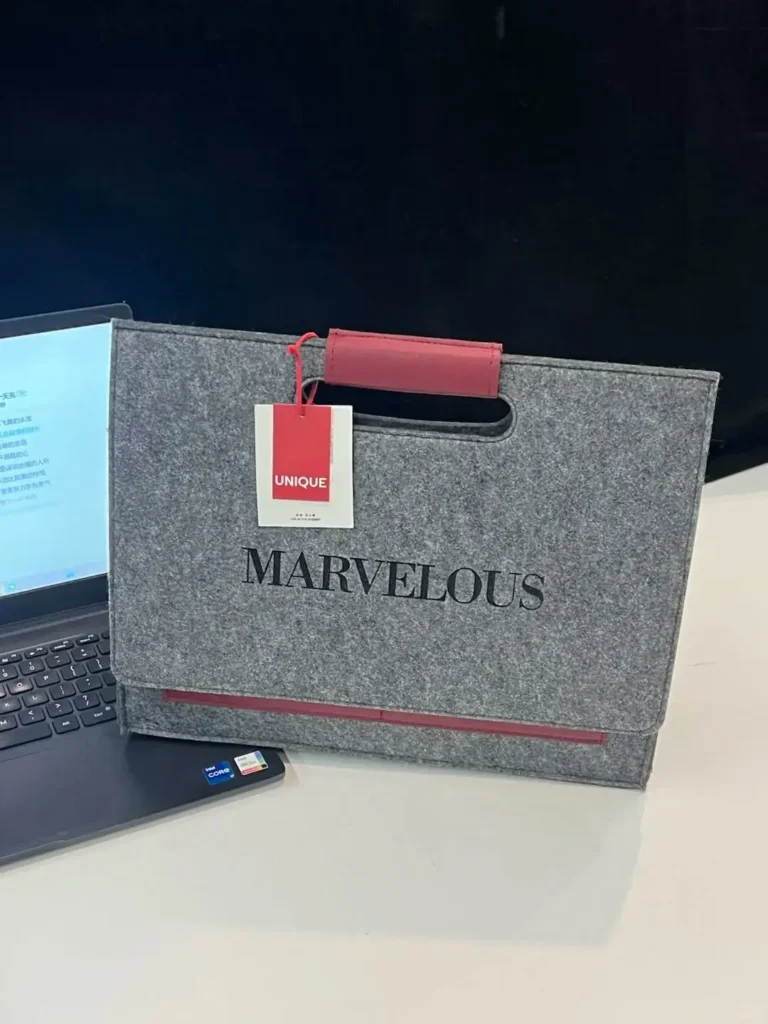
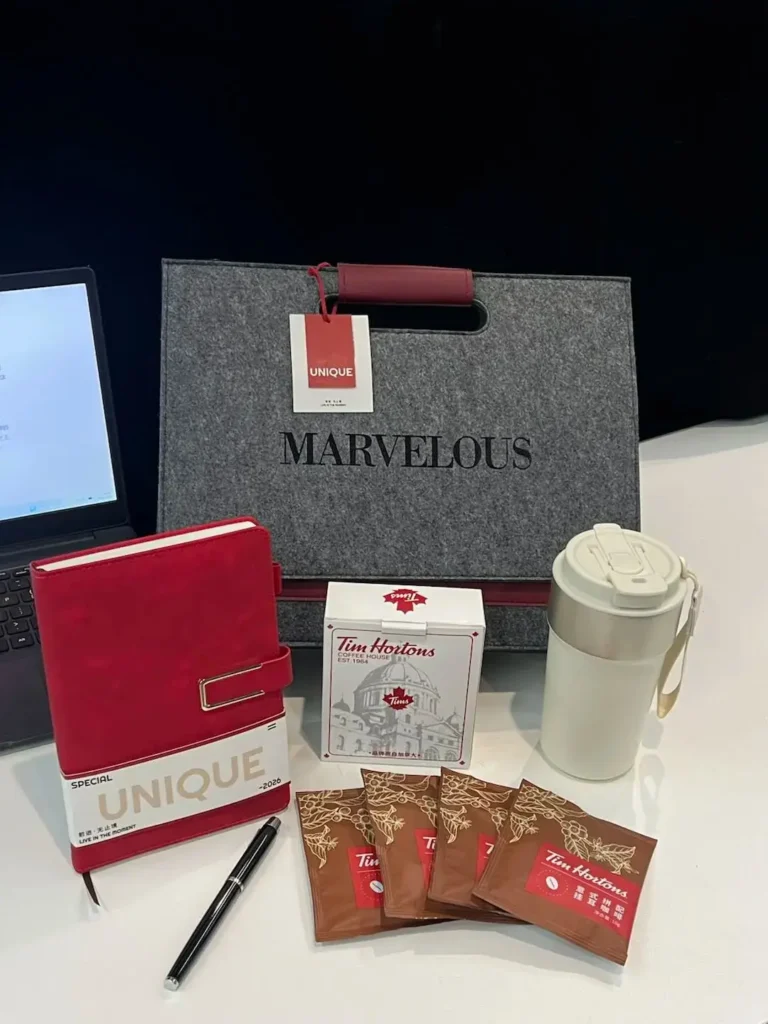
Ground rules that prevent 80% of complaints
Rule 1: Fewer items, better items
A kit with 3–5 solid products outperforms 8–12 mixed-quality products. People can tell when you added filler.
Rule 2: Avoid taste traps
Strong fragrances, novelty desk toys, quirky fashion pieces—fine for tiny teams, risky at scale.
Rule 3: Be careful with apparel
Apparel is either the most loved or most disliked category. If you can’t do quality blanks and a clean design, skip it.
Rule 4: Don’t over-brand
Subtle branding increases use. Over-branding turns a useful object into an advertisement people don’t want in their home.
Company swag ideas for employees (organized by the moments you actually buy for)
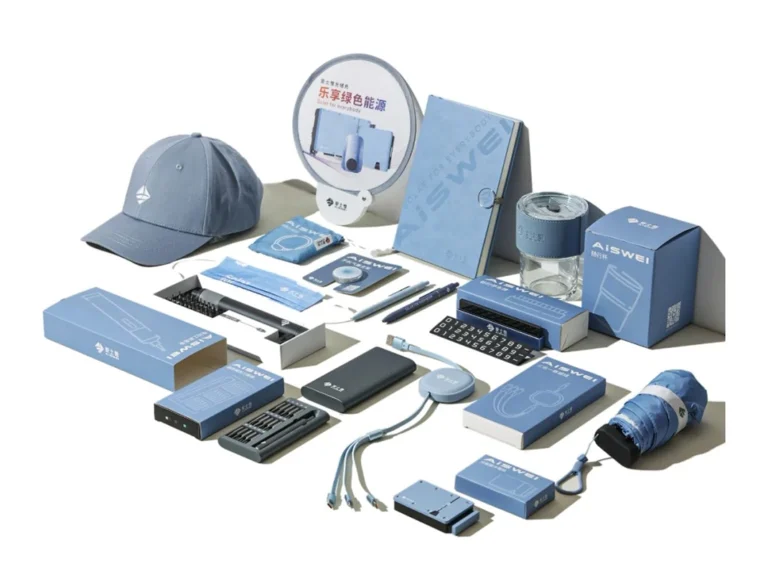
1) New hire swag (welcome kits that don’t feel like a marketing box)
Goal: make the first week smoother.
Reliable core picks
- Insulated tumbler or water bottle (choose one style; ensure lids don’t leak)
- Notebook + pen (paper quality and pen feel matter more than fancy covers)
- Tech pouch / cable organizer (one of the most-used items in real kits)
- Desk mat (instantly useful; easy to ship; no sizing)
Optional upgrades
- Laptop stand (great for remote hires)
- Wireless charger (low preference risk)
- Webcam light (if meetings are frequent)
Design note:
For new hires, keep the branding calm. A small logo plus a clean welcome note feels more mature than printing the brand everywhere.
2) Remote/hybrid essentials (make home office feel supported)
Goal: reduce friction and improve comfort.
- Keyboard + mouse set (high perceived value, especially for remote teams)
- Laptop riser / stand
- Wireless charging pad
- Desk organizer (cables, pens, small gear)
- Quality headset stand or tech accessory (only if your team uses headsets)
Why this category works:
Remote employees notice when you invest in their workspace. It doesn’t need to be expensive—it needs to be practical.
3) Employee appreciation gifts (quarterly, project close, “thank you” moments)
Goal: make it feel like recognition, not leftovers.
Low-risk appreciation choices
- Upgraded drinkware (a noticeable step up from basic)
- Wind-resistant umbrella (quality matters here; cheap umbrellas feel insulting)
- Premium blanket (high comfort value; great for Q4)
- Travel-friendly pouch set (useful, easy to ship)
If you want a “hero” item
- Eye massager (only if you can ensure quality and clear warranty/returns)
- Monitor light bar (great for desk-heavy roles)
- Better backpack (high retention, but select carefully)
A realistic tip:
If you can’t confidently explain why the item is good (“this model doesn’t leak,” “this fabric doesn’t pill,” “this zipper won’t break”), pick something else.
4) Team offsites and meetups (items that get used during the event)
Goal: useful on day one, still useful later.
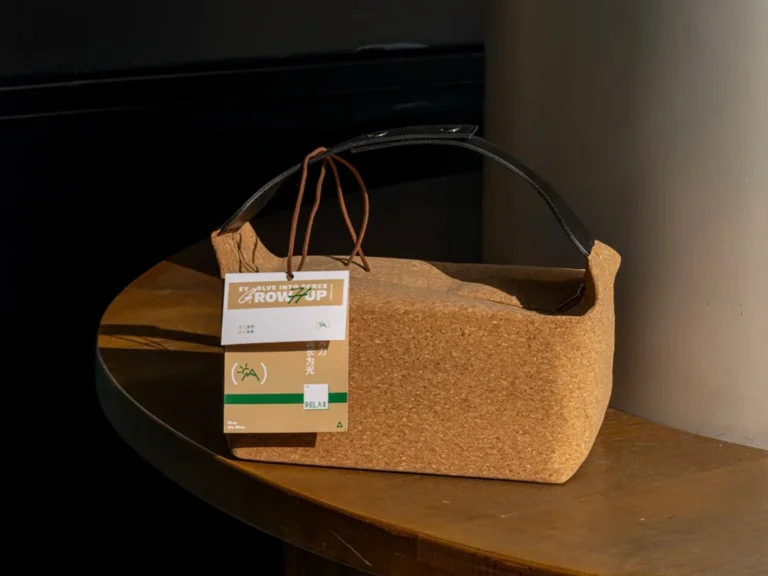
- A tote that can carry a laptop (not a thin giveaway bag)
- Notebook for workshops
- Tech pouch for travel
- Cap or socks (lower sizing issues than shirts)
- Reusable water bottle (helpful on-site)
Éviter : one-time props that only work for photos. People can tell when something exists purely for Instagram.
5) Milestones (anniversaries, promotions, “big thank you”)
Goal: a step up in perceived value, still practical.
- A premium desk upgrade (lamp, organizer, high-end mat)
- A better travel kit (pouch + charger + cable set)
- A quality backpack with subtle branding
- A curated gift box with a clear theme (not random items)
Best practice: offer controlled choice (2–3 options). It reduces waste and increases satisfaction.
Kits you can actually run as a program (not a one-off)
If you’re building a repeatable employee gifting program, kits keep things consistent and simplify procurement.
Kit A: “Daily Desk” (low risk, high use)
- Desk mat
- Notebook
- Pen
- Cable organizer
Kit B: “Remote Upgrade” (mid-tier, high perceived value)
- Laptop stand
- Wireless charger
- Tech pouch
Kit C: “Commute Ready”
- Insulated tumbler
- Umbrella
- Tote or compact backpack
Kit D: “Cozy Appreciation” (best in Q4)
- Blanket
- Premium drinkware
- Small comfort add-on (eye mask / hand warmers)
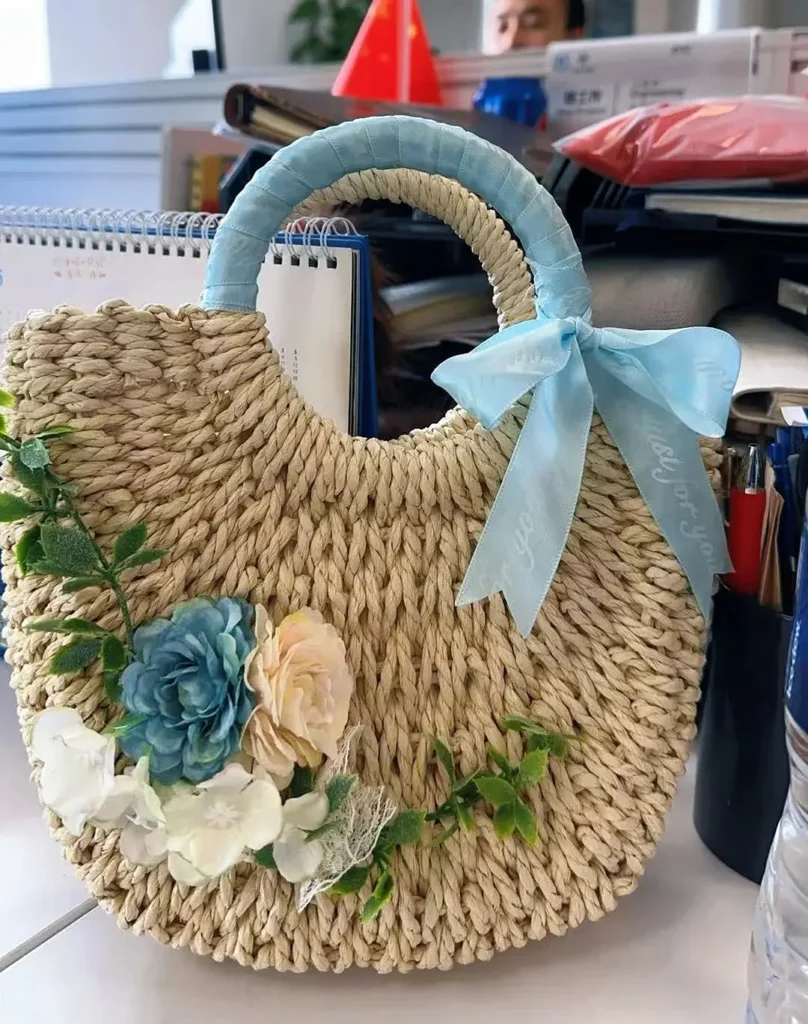

Customization employees won’t hate (and will actually use)
- Placement: corner, underside, side seam, subtle patch—avoid center-chest billboard designs.
- Color: neutrals first (black, navy, gray, cream). Use brand colors as accents.
- Finish: tone-on-tone print, embroidery, embossing—these tend to look more “grown up.”
- Packaging: keep it clean. Add one short card that sounds like a person wrote it.
A good card is specific:
- “Thanks for the extra hours on the launch.”
- “Welcome to the team—we’re glad you’re here.”
- “Appreciate how you handled the Q4 push.”
Common employee swag mistakes (and how to avoid them)
- Buying apparel without a sizing plan
If you can’t manage sizes and exchanges, choose hats/socks or skip apparel. - Over-branding
Over-branding reduces use. Less usage = less value, even if “visibility” looks good on paper. - Choosing items with high defect risk
Peeling prints, weak zippers, leaky lids—defects cost more than the “savings” you got. - Forgetting distribution reality
- bulky items cost more to ship
- fragile items increase breakage
- multi-item kits require assembly time
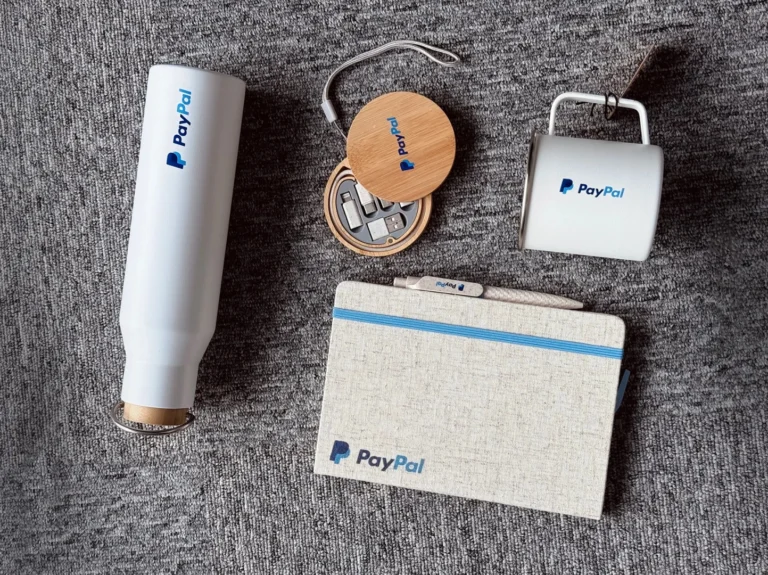

 English
  Español
  Français
  العربية
  Italiano
  Deutsch
  日本語
日本語  Nederlands
  Svenska
  Norsk bokmål
  Dansk
Dansk  Suomi
Suomi  한국어
한국어  Ελληνικά
  עִבְרִית
  Română
  Türkçe
  Русский