On a random Tuesday—right between “quick sync?” and “can you jump on a call?”—someone on your team does something quietly heroic. They unblock a project. They stay late to fix a client issue they didn’t cause. They coach a new hire through the same question three times without even a sigh. And then the week moves on, swallowing the moment whole.
That’s the trouble with modern work: it’s fast, distributed, and allergic to ceremony. Appreciation often becomes a sentence you say while your cursor is already hovering over the next task. People hear the words, but they don’t feel the weight.
The right gift doesn’t replace fair pay, good management, or real career growth. But it does something surprisingly powerful: it turns a fleeting “thank you” into something tangible—something with texture, timing, and memory. The kind of object that sits on a desk or shows up at a front door and says, without speeches: We noticed. We meant it.
Below is a practical, story-forward guide to gifting that feels elevated, natural, and—importantly—like it was chosen by a person with taste, not by a spreadsheet with a deadline.
The secret isn’t the gift. It’s the moment.
The best corporate gifts don’t start with product catalogs. They start with a moment someone can recognize.
A scene you’ve probably lived
It’s 9:07 a.m. The all-hands is running late. Someone’s microphone is doing that “underwater robot” thing. The CEO is saying “we really couldn’t have done it without you,” and everyone is trying to look appreciative while mentally answering emails.
After the meeting, a manager posts in Slack: “Great work team!!!” (three exclamation points, because feelings). People react with the standard set: a few hearts, one rocket ship, someone’s dog cameo.
And that’s it. The achievement disappears into the endless scroll.
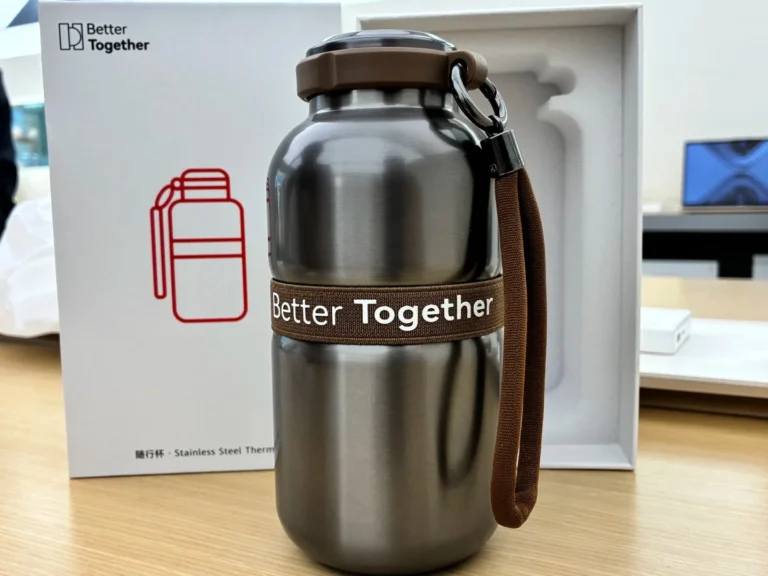
Now imagine a slightly different version: later that week, a neat package arrives—either at home for remote teammates or on desks for in-office folks. Inside is a small, well-designed set that feels intentional. A card uses their name and references the actual project: “That launch was brutal in the best way. Thank you for being steady when everything wasn’t.” No corporate poetry. Just recognition with accuracy.
The difference is subtle but enormous: one is noise. The other becomes a story.
Gifts are culture made visible
Culture is not what you say in your values deck. Culture is what people experience when they’re tired, busy, and slightly under-caffeinated. Gifts—when done well—become part of the company’s emotional infrastructure:
- They make appreciation repeatable, so it doesn’t depend on a single charismatic manager.
- They create rituals, which teams secretly crave even when they pretend to be “too busy for that.”
- They show operational respect: you thought ahead, you executed cleanly, you didn’t make the recipient do work to enjoy it.
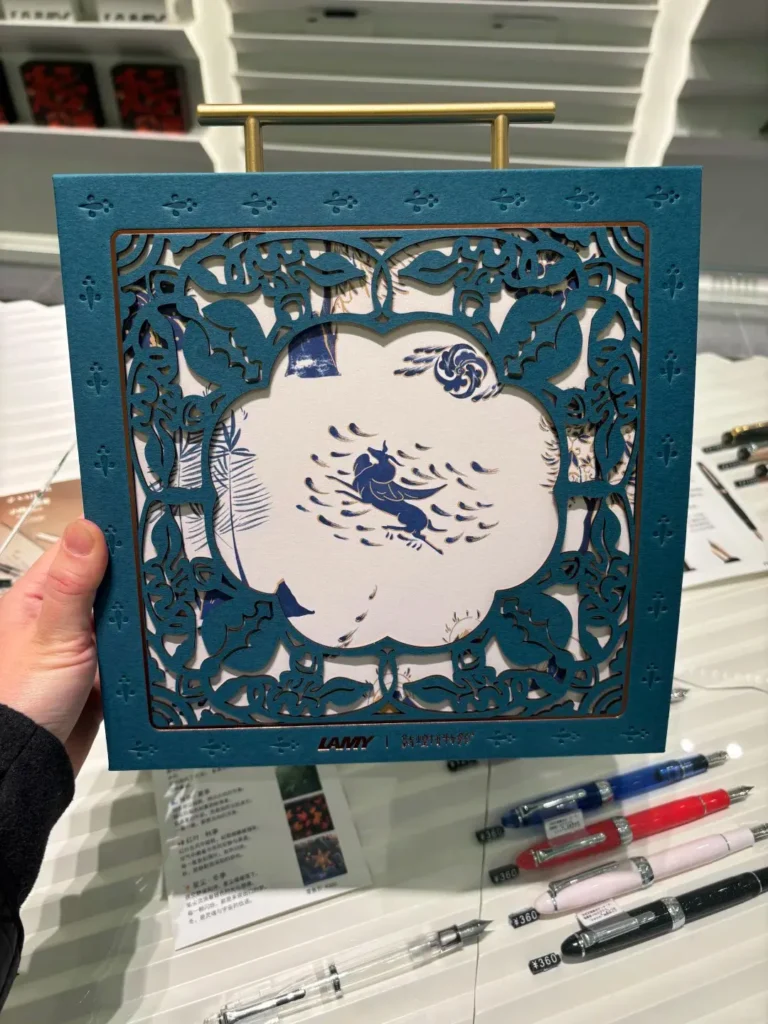

bulk employee appreciation gifts: scale without losing warmth
“Bulk gifting” sounds cold because we picture the worst-case version: identical items, aggressive logo placement, and the vague sense that the gift is mostly a marketing exercise.
But bulk can be elegant. In fact, bulk is how you make appreciation fair, consistent, and scalable—especially across hybrid teams, multiple offices, or global headcount.
The trick is to avoid making it feel like bulk.
The three rules that make bulk feel personal
1) Tie it to a specific story, not a generic season
“Happy Q3” is not a story. “We shipped the migration without breaking anything” is a story. “You handled the client escalation with grace” is a story. Humans remember stories, not quarters.
A single sentence of context transforms the same object from item 에 moment.
2) Choose items that fit real life
If someone can use the gift in a normal week, it stays in rotation. If it requires a special occasion, it becomes clutter.
The best bulk gifts are the ones people reach for without thinking:
- desk essentials that don’t look like office supplies
- drinkware that feels good in the hand
- practical accessories that age well (and don’t scream “promo”)
3) Make the unboxing feel intentional
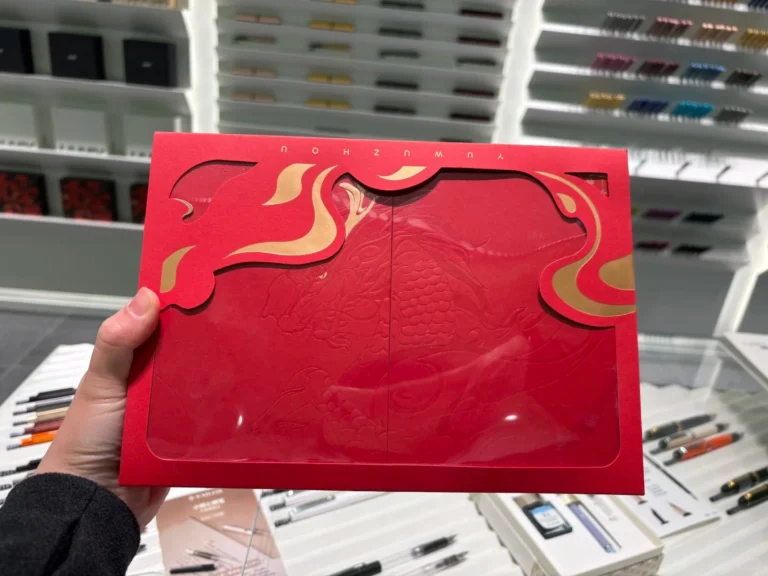
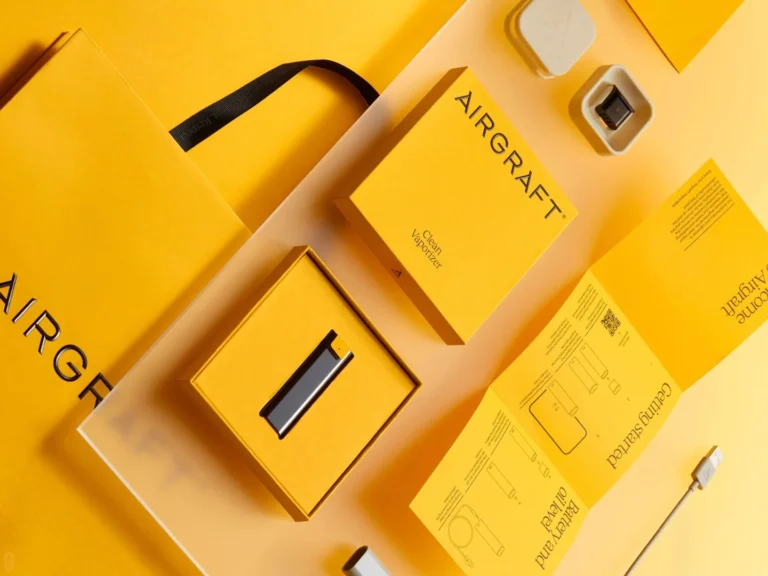
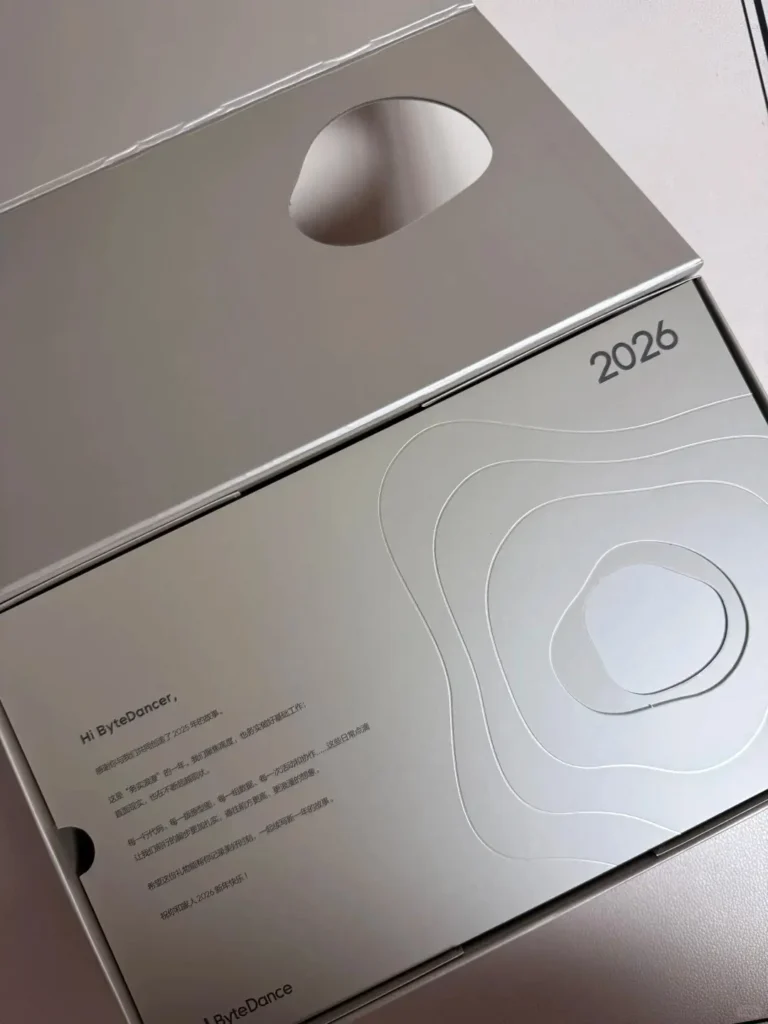
Packaging is not fluff. Packaging is the difference between “we ordered something” and “we curated something.”
A clean box, thoughtful inserts, and a short, well-written card can make a modest gift feel genuinely premium.
A workplace story: the “same gift, different reaction” experiment
A People Ops lead once told me they ran what was essentially an accidental A/B test.
They had to send appreciation gifts to 300 employees across three locations. Half the team received the item in a plain shipper with no note—because logistics got tight and someone said, “It’s fine. They’ll understand.”
The other half received the same item, but inside a branded box with a simple card that referenced a specific milestone.
The result wasn’t dramatic in a KPI dashboard way, but it was dramatic in human ways:
- One group said “thanks” privately.
- The other group posted photos. They tagged teammates. They joked about it. They remembered it.
Same object. Different experience.
“Premium” in bulk is about restraint
Luxury isn’t loud. The most elevated gifts don’t announce themselves.
Premium bulk gifting usually comes down to a few quiet decisions:
- material quality (the “feel” matters more than most procurement teams want to admit)
- clean branding (subtle placement, sharp finishing, no chaotic color matching)
- cohesive design (items that belong together, not a random pile with a logo)
If it looks like your brand—really looks like your brand—it stops being “swag” and starts being identity.
A simple bulk gifting playbook (that won’t ruin your week)
Play 1: the milestone kit
For launches, big client wins, conference weeks, fundraising rounds, rebrands—anything that deserves a bookmark.
- Keep the set cohesive.
- Add one “daily use” anchor item.
- Make the note specific and human.
Play 2: the onboarding welcome kit
Onboarding gifts aren’t just nice. They reduce first-week friction and quietly say: You belong here.
For remote hires, this is especially powerful. It’s hard to feel part of a team when your first interaction is an IT ticket.
Play 3: the seasonal reset
New year, mid-year, end-of-year—done well, it’s not “holiday gifting,” it’s a reset ritual. Something that says: We’re starting the next chapter with intention.
Logistics: the part nobody posts on Instagram (but everyone remembers)
Bulk employee appreciation gifts succeed or fail on execution:
- clear planning and timeline
- sampling before full production
- consistent quality control
- shipping that doesn’t turn into a scavenger hunt
- communication that doesn’t require psychic powers
Your team shouldn’t feel appreciated 그리고 become an unofficial last-mile delivery department.
small employee appreciation gifts: tiny objects, big emotional signal
Small gifts have a particular advantage: they can happen more often. They keep appreciation from becoming an annual event that requires a budget meeting and a dozen approvals.
They’re also a quiet flex. If you can make a small gift feel thoughtful, you’re doing something right.
The underrated power of “frequent, light-touch” appreciation
People don’t only remember the huge moments. They remember the pattern. They remember whether appreciation is rare or reliable.
Small gifts work especially well for:
- sprint completions
- peer recognition
- “thank you for covering” moments
- team-building touchpoints in remote environments
- inclusion-friendly gestures (without ranking people)
The “desk test” and the “home test”
A small gift should pass at least one of these:
The desk test
Will someone keep it on their desk because it looks good, feels good, or is useful?
The home test
Will someone bring it home because it’s genuinely enjoyable, not because they feel obligated?
If it passes neither, it becomes drawer inventory—and no one needs more of that.
A story: the intern, the VP, and the surprisingly perfect small gift
A team once did a simple recognition moment after a brutal quarter. No big speeches—just a short note and a small item for everyone. The next day, the intern and the VP happened to be in the kitchen at the same time. Both had the gift with them.
The intern joked, “I didn’t think I’d like company gifts. This is… actually nice.”
The VP said, “Same. Also, I stole my spouse’s because mine looked too good to share.”
It worked because it wasn’t expensive. It was tasteful. It didn’t feel like a leftover from an event booth. It felt chosen.
What makes a small gift feel elevated (without being fussy)
- Tactile quality: weight, finish, texture—these create instant perception of care.
- Neutral, modern design: looks good in different lifestyles, not just in one office aesthetic.
- Subtle brand cues: your brand can be present without dominating the object.
- A note that sounds like a person: one line of truth beats five lines of corporate fog.
Small gift, big feeling: the personalization ladder
If you want that “they really thought about this” effect, use a ladder that keeps operations sane:
- Level 1: Great packaging + great card
The simplest upgrade with the biggest emotional return. - Level 2: Team-based variations
Different colorways by department or location. Keeps it fun without becoming complicated. - Level 3: Name personalization
Best when timelines allow and you want a stronger “this is yours” signal. - Level 4: Role-based curation
A few curated sets by role cluster (engineering, sales, design, ops), still aligned to one brand system.
Even Level 1 can feel genuinely personal if the writing is specific and the presentation is tasteful.
The awkward gifting mistakes (and how to avoid them with dignity)
Every company has a gifting story they tell like a ghost story.
Mistake 1: “looks expensive” but nobody uses it
Some items are impressive in theory and useless in life. They become desk ornaments or “regift candidates.”
수정: choose daily-life compatibility over novelty.
Mistake 2: the logo is the main character
If the logo is bigger than the gratitude, employees feel like walking ads.
수정: subtle placement, high-quality application, brand-consistent design.
Mistake 3: one-size-fits-all (especially when sizing is literal)
Uniform sizing is a gamble. People are polite, but politeness has limits.
수정: offer choices, or choose universally easy items.
Mistake 4: sending a gift with zero context
A gift without a note is like applause without eye contact. People feel the distance.
수정: a short, specific message tied to a real moment.
Mistake 5: timing that misses the emotional window
A “congrats on the launch” gift that arrives two months later becomes… a reminder of shipping delays.
수정: plan early, sample early, confirm timelines like they matter—because they do.

A practical framework: choose gifts like a brand, not like a panic purchase
If you want a gifting program that feels premium and human, build a system you can repeat.
Step 1: define the moment
Pick one:
- onboarding / welcome
- milestone / launch
- seasonal reset
- employee anniversary / tenure
- event / conference
- executive or VIP recognition
A clear “why” makes the “what” easier.
Step 2: define the experience level
Instead of only thinking about budget, think about the experience:
- Everyday appreciation: small, frequent, consistent
- Milestone recognition: curated set, elevated packaging
- Executive / VIP: premium materials, refined presentation, fewer but higher impact
This helps you be fair without being flat.
Step 3: align with your brand identity
Ask:
- Would this look natural in our office, on our employees’ desks, in their homes?
- Does this match our design language—minimal, bold, playful, classic, tech-forward?
- Would we be proud if someone posted it publicly?
If the answer is “maybe,” keep refining.
Step 4: operationalize delivery (especially for hybrid teams)
Your gifting program should work for:
- multiple offices
- remote addresses
- international shipping realities
- event deadlines
A gift that arrives smoothly is a gift that feels respectful.
Where LUGVO fits: high taste, clear process, zero chaos
From lugvo.com, LUGVO’s positioning is straightforward—and smart: branded corporate gifts designed for business impact, with services spanning employee/onboarding kits, promotional and event gifting, business loyalty gifts, logo merchandise, executive/VIP gifts, and awards/recognition.
What makes this kind of partner valuable isn’t only taste. It’s the combination of taste 그리고 operational discipline.
The difference between “we bought gifts” and “we ran a gifting moment”
A professional workflow matters because it protects the moment:
- you request a quote with quantity, deadline, and branding needs
- you receive a curated plan with clear pricing and timeline
- you approve samples before production
- production follows strict quality control
- shipping is arranged based on real-world constraints (air/sea/rail, confirmed logistics)
- after-sales support exists for the part of reality we all pretend won’t happen
That structure is what lets the gift feel effortless on the receiving end—which is the whole point.
The quiet luxury of getting it right
When gifting is done well, employees don’t think, “This must have taken a lot of coordination.”
They think, “They know us.”
That’s the goal.
The takeaway: make appreciation visible, repeatable, and real
The best gifting programs are not about grand gestures. They’re about consistent signals—delivered with taste, timing, and a sense of humanity.
- Use bulk employee appreciation gifts to scale culture without losing warmth.
- Use small employee appreciation gifts to keep recognition frequent and natural.
- Choose good employee gifts that fit real life, not just a procurement checklist.
When people feel seen, they show up differently. Not in a “motivational poster” way—in a real way. They stay. They care. They tell their friends your company is a good place to work.
And if you’re going to do it, do it with the kind of quality and restraint that makes the gesture feel genuine.
Get a quote from LUGVO
If you’re planning employee gifting for onboarding, milestones, events, or a scalable appreciation program, LUGVO can help you curate, customize, sample, produce, and deliver gifts that feel premium, on-brand, and genuinely human.
Visit lugvo.com and request a free quote with your quantity, deadline, and logo requirements. LUGVO will come back with a tailored plan—clear pricing, clean execution, and gifts your team will actually want to keep.