
Con l'espressione “gadget aziendale” si intende qualsiasi cosa, da un kit premium per i nuovi assunti a una pila di omaggi a buon mercato in uno stand. Ecco perché la frase confonde gli acquirenti. Se state cercando di pianificare un vero e proprio programma, soprattutto per i dipendenti e per la personalizzazione aziendale, avete bisogno di una definizione che sia utile, non intelligente.
Cosa significa swag aziendale?
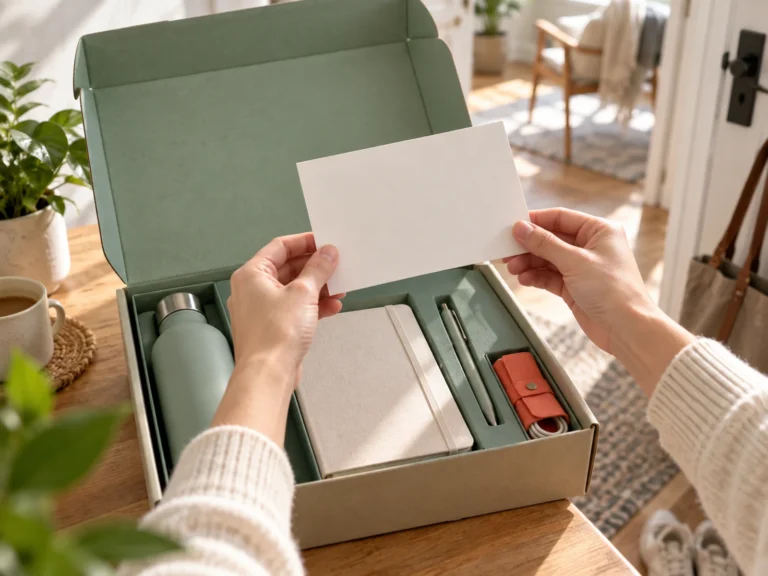
Swag aziendale mezzi articoli di marca a azienda regala (ai dipendenti, ai clienti, ai candidati, ai partner o ai partecipanti agli eventi) che sono progettati per essere conservati e utilizzati. Il punto non è “roba gratis”. Il punto è uso ripetuto.
Un buon modo per capire se qualcosa è swag o solo disordine:
- Se si guadagna un posto sulla scrivania di qualcuno, nella sua borsa da pendolare o nel suo ufficio a casa, è uno swag.
- Se viene gettato, regalato o abbandonato il giorno stesso, è solo un regalo.
Lo swag di solito include un logo, ma non è necessario. Alcuni dei migliori “swag” hanno un marchio leggero: un marchio sottile, un'impronta tono su tono, un logo in rilievo o anche solo i colori del marchio e un cartoncino pulito.
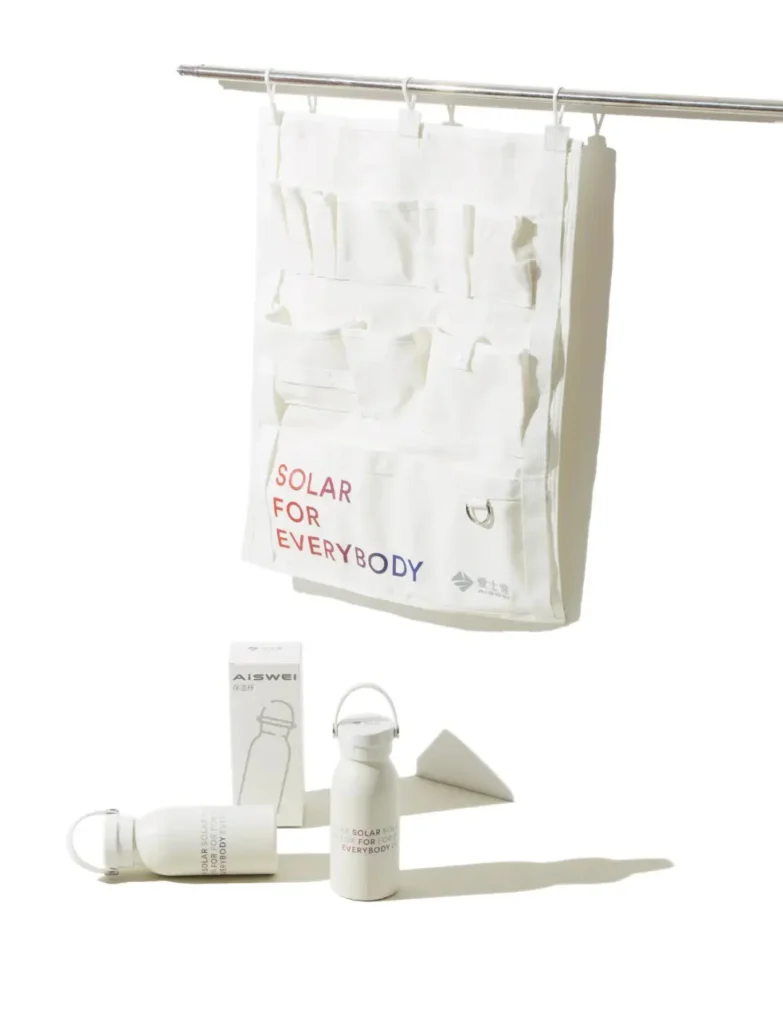
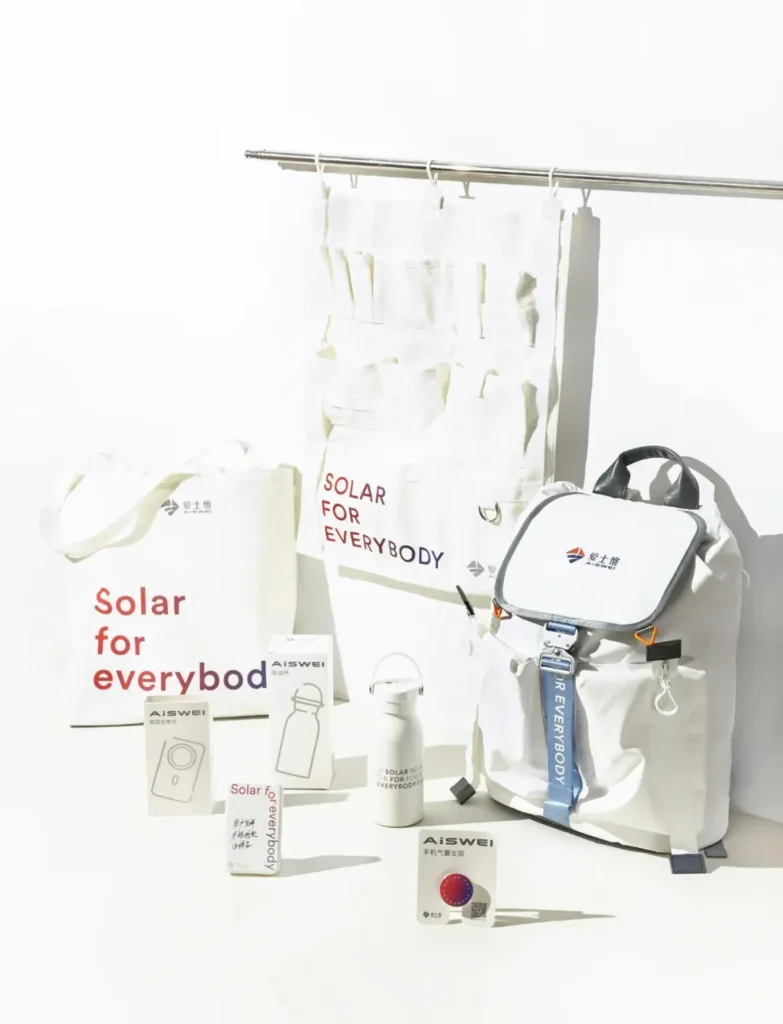
Che cos'è uno swag nel mondo degli affari?
Nel mondo degli affari, lo swag è un strumento di relazione e un punto di contatto del marchio. Raramente è l'evento principale. È di supporto a qualcos'altro che si sta già facendo:
- l'inserimento di un nuovo dipendente
- festeggiare una pietra miliare del team
- costruire un rapporto di fiducia con un cliente
- farsi ricordare dopo una riunione
- far percepire un evento come organizzato e intenzionale
Lo swag fallisce quando viene trattato come una casella da spuntare: “Abbiamo bisogno di qualcosa con un logo”. Funziona quando è legato a un momento reale: “Vogliamo che questa persona si senta benvenuta” o “Vogliamo ringraziarla in un modo che non sembri transazionale”.”
Scenari commerciali comuni per lo swag
- Kit per i nuovi assunti
- Anniversari di lavoro
- Siti di gruppo/riunioni in loco
- Riconoscimento di fine trimestre
- Regalo per la chiusura dell'affare / onboarding
- Seguito della conferenza
- Valutazione di fine anno (nell'ambito della politica)
- Reclutamento
- Regali ai candidati per i finalisti
- Articoli per il reclutamento del campus che non sembrano economici
Lo swag è una piccola cosa, ma è un segnale importante: come si opera. Se l'oggetto sembra non curato, il messaggio è “non curato”. Se sembra ben scelto, il messaggio è "prestiamo attenzione".”
Swag vs. merch vs. regali aziendali (per acquistare la cosa giusta)
Queste parole si sovrappongono, ma non sono intercambiabili.
- Swag: tipicamente gratuito, funzionale, di marca. Ottimizzato per la scala e l'uso ripetuto.
- Merch: più simile alla vendita al dettaglio (a volte venduta), spesso guidata dallo stile. La gente lo indossa perché è bello, non perché era gratis.
- Regali aziendali: possono essere di marca o non di marca; di solito sono più pregiati e basati sulle occasioni; più sensibili alla conformità e al gusto.
Se vi occupate principalmente di regali per i dipendenti e di personalizzazioni aziendali, di solito costruite programmi swag (ripetibile, scalabile) con dettagli a livello di regalo (materiali migliori, imballaggi migliori, branding di buon gusto).
Quali sono gli articoli di swag più comuni? (le cose che sopravvivono effettivamente un anno)
“Gli articoli swag ”comuni" sono comuni perché si adattano alla routine quotidiana. Il segreto non è scegliere qualcosa che nessuno ha mai visto prima. Il segreto è scegliere qualcosa che la gente continuerà a usare anche dopo la fine della novità.
1) Drinkware (alta ritenzione, facile da giustificare)
- tumbler isolati
- bottiglie d'acqua
- tazze da viaggio
Perché è comune: Tutti bevono qualcosa ogni giorno.
Dove si sbaglia: coperchi che perdono, stampe che si staccano, rivestimenti scadenti, forme strane che non si adattano ai portabicchieri.
Nota di personalizzazione: Il posizionamento sottile è vincente: un piccolo logo vicino alla base o un marchio tono su tono. Un logo gigante può ridurre l'utilizzo (le persone non vogliono sentirsi come un cartellone pubblicitario).
2) Elementi essenziali per la scrivania (silenziosamente potenti)
- quaderni con carta decente
- penne che non saltano
- tappetini da scrivania
- organizzatori di cavi
- semplice archiviazione per la scrivania
Perché è comune: Gli oggetti da scrivania rimangono visibili e vengono utilizzati ripetutamente.
Dove si sbaglia: quaderni che sembrano regalati, tappetini da scrivania che si arricciano, penne che si esauriscono subito.
Suggerimento pratico: se il vostro pubblico è composto da lavoratori della conoscenza, un oggetto da scrivania di alta qualità spesso supera la novità. Non è entusiasmante in un elenco, ma è ciò che la gente conserva.
3) Accessori tecnici (utili, ma non scadenti)
- kit di cavi di ricarica
- caricabatterie wireless
- banche di alimentazione
- custodie per laptop / borse tecnologiche
Perché è comune: La ricarica e l'organizzazione sono punti dolenti universali.
Dove si sbaglia: problemi di compatibilità, specifiche poco chiare, componenti di bassa qualità e “elettronica misteriosa” di cui non ci si fida.
Regola empirica: se non siete in grado di indicare chiaramente le specifiche di una semplice scheda (potenza, porte, compatibilità), scegliete un'altra categoria.
4) Borse (alto uso, alta visibilità)
- borse tote
- zaini
- sacchetti
Perché è comune: le persone trasportano quotidianamente gli oggetti.
Dove si sbaglia: cinghie sottili, cuciture deboli, cerniere scadenti, taglie strane che non si adattano a nulla.
Nota sul marchio: Le borse sono una grande superficie: non usatela tutta. Un marchio piccolo e di buon gusto rende la borsa più indossabile e aumenta l'esposizione nel mondo reale.
5) Abbigliamento (elevato upside, rischio più elevato)
- felpe con cappuccio / crewnecks
- cappelli
- calzini
- tee
Perché è comune: se calza bene, la gente lo indossa sempre.
Dove si sbaglia: logistica delle taglie, vestibilità incoerente, tessuto a basso costo, marchio forte.
Se si tratta di abbigliamento, trattatelo come un prodotto, non come un omaggio: tabelle delle taglie coerenti, peso del tessuto decente e stampe che non si rompono dopo due lavaggi.
6) Comfort / benessere (sensazione di cura, non di marketing)
- coperte
- maschere per gli occhi
- scaldamani
- piccoli ventilatori da tavolo
Perché è comune: è un segnale di apprezzamento e di conforto.
Dove si sbaglia: oggetti troppo personali (profumi forti), gadget di bassa qualità, sicurezza/ritiri poco chiari.
“Lo ”swag buono" non si basa sull'intelligenza: ecco la vera lista di controllo
Prima di ordinare qualcosa all'ingrosso, chiedete:
- Qualcuno lo userebbe se fosse senza marchio?
In caso contrario, il vostro logo non lo salverà. - È costruito per durare abbastanza a lungo da essere importante?
Una stampa scrostata fa l'opposto del “brand building”.” - Il marchio aiuta o danneggia l'articolo?
L'obiettivo è aumentare l'uso, non forzare l'esposizione. - Si può distribuire senza dolore?
- costi di spedizione e rischio di danni
- ingombro di stoccaggio
- tempo di montaggio
- taglie e cambi
- È appropriato per il pubblico?
I dipendenti tollerano articoli più casual; i clienti in genere si aspettano una maggiore sobrietà.
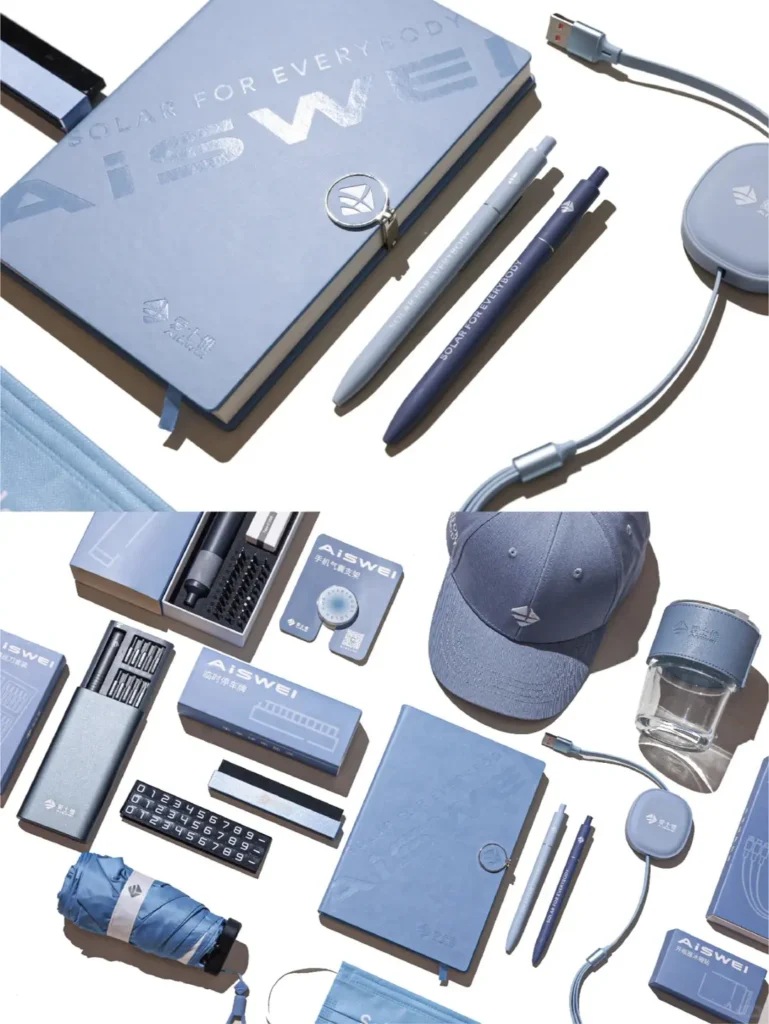
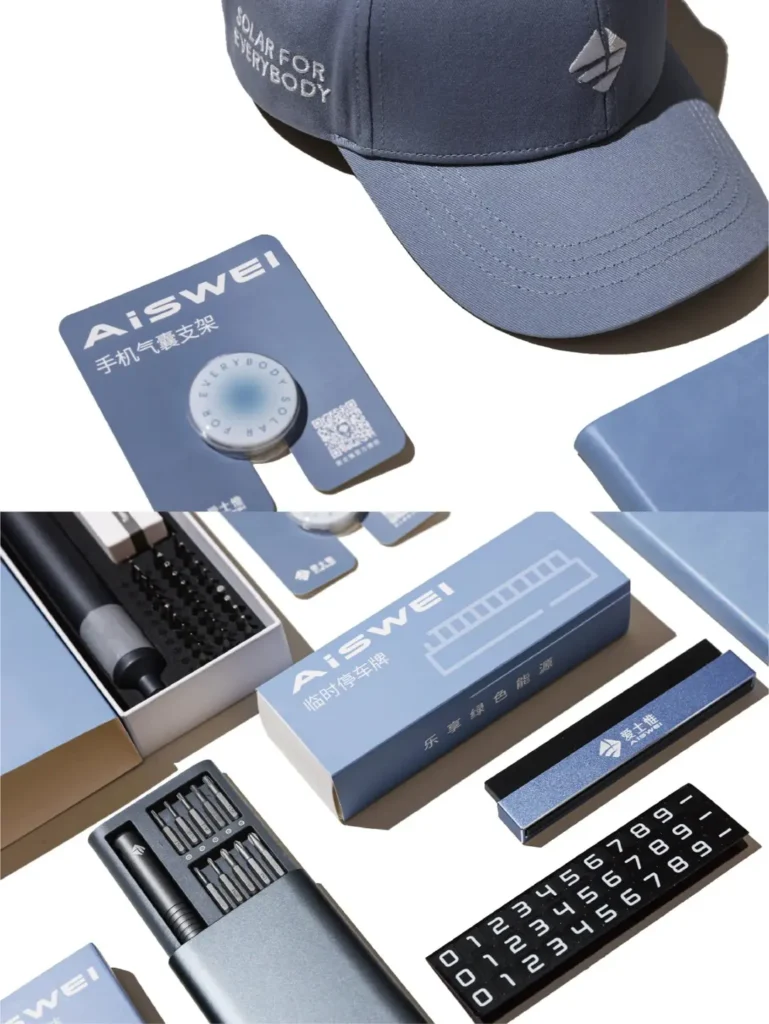
Un modo più realistico di pensare alle categorie di swag
Invece di “top 50 idee di swag”, provate questo schema:
- Punti metallici: articoli sicuri e ripetibili che potete riordinare (bicchieri, quaderni, tappetini da scrivania, sacchetti).
- Stagionali: articoli che colpiscono in un momento specifico (coperte in inverno, ombrelli nelle stagioni piovose).
- Momenti: oggetti di maggior valore percepito per le pietre miliari (zaini migliori, kit più belli, upgrade della scrivania).
Questo vi aiuta a pianificare un programma invece di inseguire gli articoli di tendenza.
Breve FAQ
Cosa significa swag aziendale (in una frase)?
Oggetti di marca che un'azienda regala e che le persone conservano e utilizzano.
A cosa serve uno swag nel mondo degli affari?
Esperienza dei dipendenti, relazioni con i clienti, reclutamento ed eventi: ovunque un punto di contatto fisico rafforzi la relazione.
Quali sono gli articoli di swag più comuni?
Bevande, oggetti da scrivania, borse, accessori tecnologici di base e capi d'abbigliamento selezionati per un uso ripetuto.



 English
  Español
  Français
  العربية
  Italiano
  Deutsch
  日本語
日本語  Nederlands
  Svenska
  Norsk bokmål
  Dansk
Dansk  Suomi
Suomi  한국어
한국어  Ελληνικά
  עִבְרִית
  Română
  Türkçe
  Русский